One in Five Listings Got a Price Cut. Buyers Still Need to Check the Math
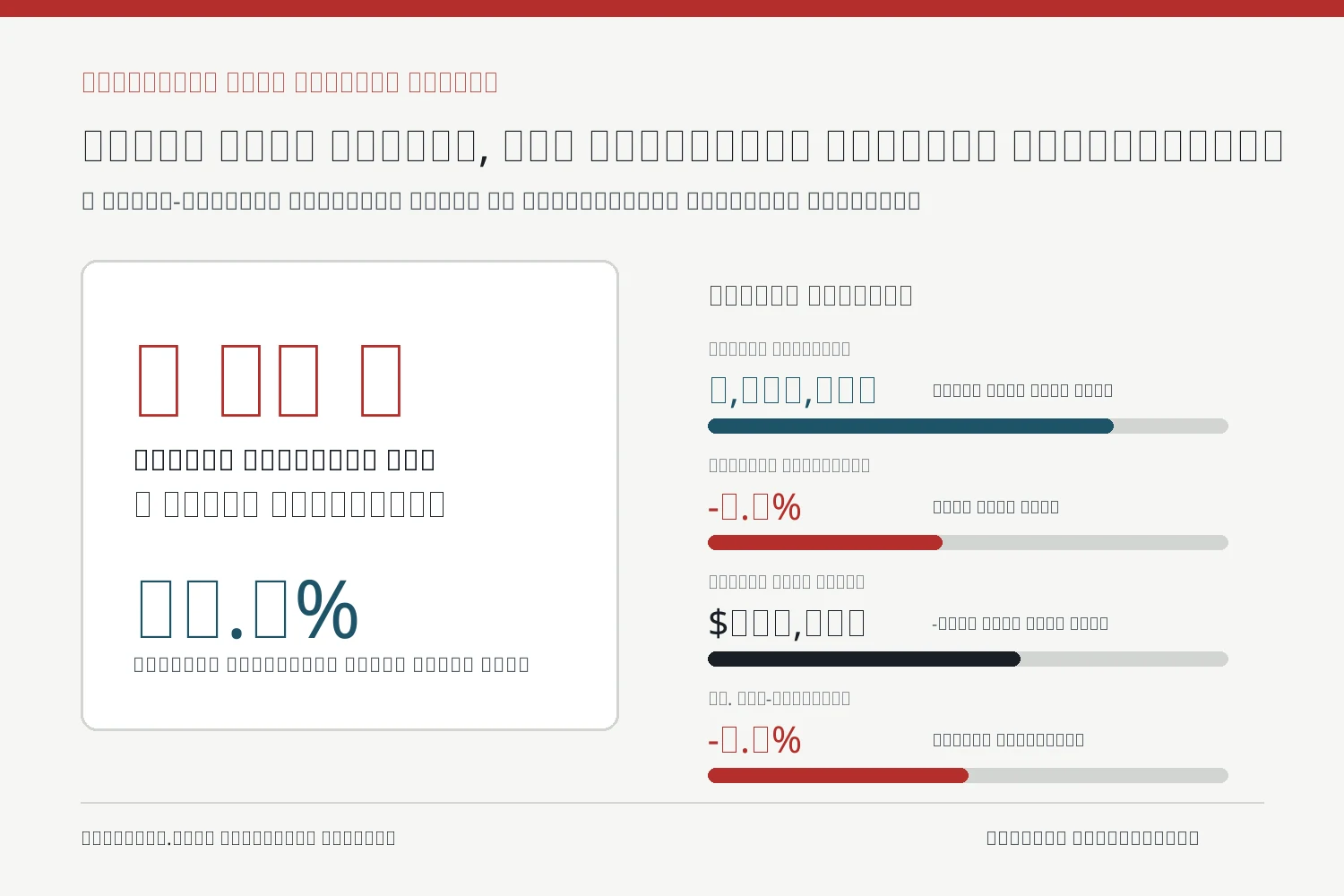
Realtor.com says 20.8% of active listings had a September price reduction. Buyers should test the new ask against closed sales, financing costs, time on market and concessions.
By Anthony Brikho · 3 min read
Why This Matters
A price cut can create negotiating room, but it does not prove a home is a bargain. Buyers and loan officers need to compare the revised ask with recent closed sales, the actual monthly payment, time on market and any seller concessions.
Cover: mortgage.news editorial graphic based on September 2026 data from Realtor.com Economic Research.
Price reductions reached a four-year high
Realtor.com Economic Research reported that 20.8% of active listings had a price reduction in September. That was the highest monthly share since October 2022 and the highest September reading since 2018.
The same report counted 1,161,615 active listings, up 5.4% from a year earlier but still 9.1% below pre-pandemic norms. Pending inventory fell 4.1% year over year. The median list price was $419,250, down 1.4%.
September Snapshot
- 20.8%: share of active listings with a price cut
- 1,161,615: active listings
- 5.4%: annual active-inventory growth
- -4.1%: annual change in pending inventory
- $419,250: median list price
A cut is a signal, not a valuation
A seller can reduce an unrealistic asking price and still remain above what comparable homes recently sold for. A cut may also reflect condition, location, carrying costs or a need to attract attention after a listing has lingered.
Regional and metro differences make the national average only a starting point. Inventory, buyer competition and seller urgency can vary sharply between nearby markets. Even within one metro, property type and school district can change the relevant comparison set.
A four-step check before calling it a bargain
- Compare recent closed sales. Use similar nearby homes that closed recently, not only active listings or the seller's original ask.
- Calculate the full cost at the actual quote. Apply the buyer's rate, points, taxes, insurance, mortgage insurance and estimated closing costs to the revised price.
- Review days on market and prior cuts. A long listing history or repeated reductions can reveal more about negotiating leverage than one headline cut.
- Separate a concession from a price reduction. A seller-paid rate buydown or closing-cost credit changes upfront cash or financing economics differently from a lower contract price.
What the inventory figures say
More active listings can give buyers additional choices, but the 9.1% gap from pre-pandemic norms shows that supply has not fully normalized. Meanwhile, the decline in pending inventory suggests that more listings did not automatically translate into more homes going under contract.
For homebuyers, the useful question is not whether a listing was cut. It is whether the revised deal works against local closed sales and the complete financing package. Loan officers can help by showing side-by-side payment scenarios while avoiding a promise that a particular price cut will produce savings.