Low Appraisal? Ask Three Questions Before Paying the Gap
A lower valuation can change your financing. Check the report, the loan calculation and your contract before committing more cash.
By Aida Yousif · 3 min read
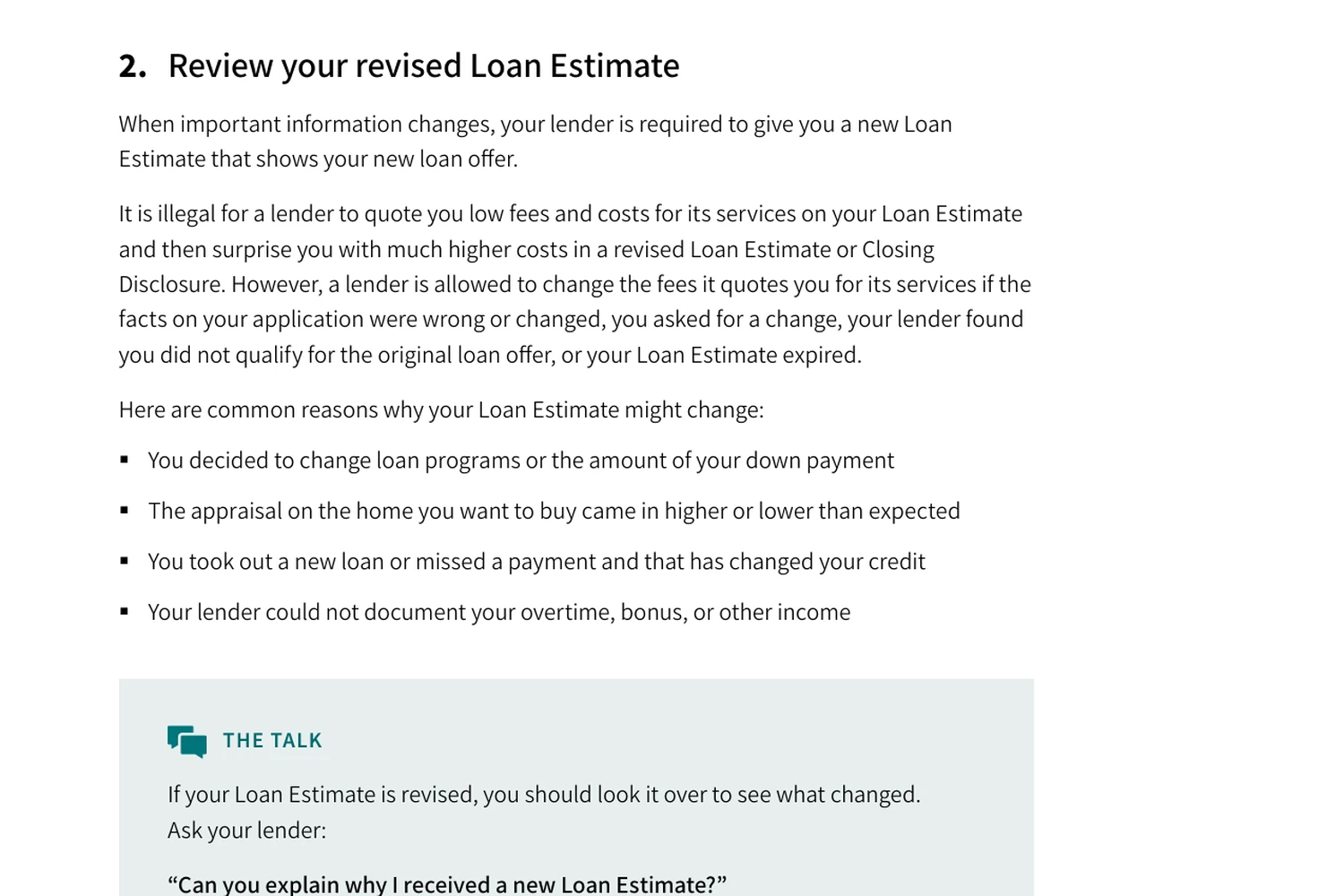
Why this matters: A low appraisal can increase the cash you need to close, but the difference between the price and the appraisal is not automatically the extra amount you must bring. Ask your lender to recalculate the loan before you decide how to respond.
Cover: Consumer Financial Protection Bureau, Your home loan toolkit, p. 17: questions to ask when a Loan Estimate changes. Public-domain government content; no agency endorsement implied.
An appraisal is an independent opinion of the property's value. It helps the lender assess the home backing the mortgage. It also gives you another piece of evidence about the price you agreed to pay, as Freddie Mac explains.
1. Is the report using the right facts?
Get the complete report. Check the address, property features, condition and descriptions of comparable sales. Focus on specific errors or missing relevant information, rather than simply asking for the number you want.
The CFPB says borrowers generally have a right to receive copies of appraisals and other written valuations for a first-lien home mortgage. Ask your lender how to submit a reconsideration request if you find a problem. A review does not guarantee a higher value or permission to order an appraisal until one supports the purchase price.
2. What changes in my actual loan?
Have the loan officer show the revised loan amount, down payment, mortgage insurance if applicable, closing costs and total cash to close. Those figures are more useful than hearing only that the appraisal is a certain amount short.
Older educational context: in this May 18, 2022 explainer (18:08), mortgage educator Kyle Seagraves of Win The House You Love walks through how the appraised value affects financing. The player shows only 6:49 to 10:48, the financing and cost section. Parts of the wider 2022 discussion reflect that year's market. Ask your own lender to calculate the revised loan and cash to close, and review your contract with your agent or attorney.
For example, a buyer with substantial cash already committed to the purchase may face a different financing adjustment from a buyer using a small down payment. Ask whether keeping the original loan amount changes the loan-to-value ratio, eligibility or price. Do not assume that available savings automatically solve every loan requirement.
Ask for the calculation in writing. Then separately decide how much cash you want to keep available for moving, repairs and emergencies. Lender approval and a comfortable household budget answer different questions.
3. What does my contract allow?
A lower appraisal may support a request to renegotiate the price. The seller can decline. Your ability to cancel, recover a deposit or obtain more time depends on the signed contract and its deadlines. An appraisal contingency and a promise to cover an appraisal gap can have different consequences.
The CFPB recommends reviewing options with the seller and considering legal advice before cancelling. Have your agent or attorney explain the actual language before any deadline passes.
Your next step
Request one written comparison of three choices: a lower purchase price, the existing price with revised financing, and any available exit under your contract. Include cash needed, ongoing payment and deadlines. That puts the decision on numbers and obligations you can evaluate, without promising that an appraisal appeal will rescue the deal.